
Tip 1. Check your hearing before attending a driving school and at the first symptoms of hearing loss.
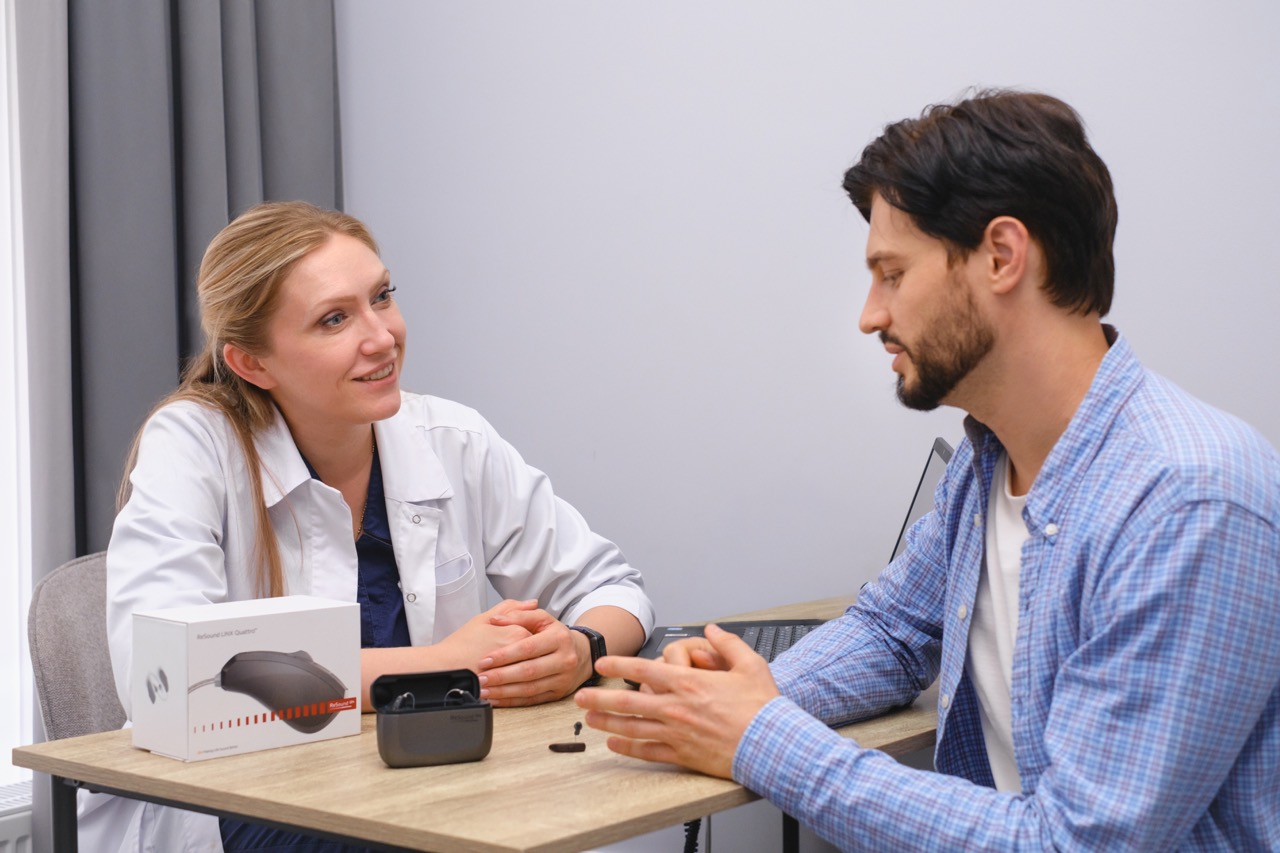
If you are planning to take tests for obtaining a driver’s license, are passing a medical board, or simply noticed that it has become worse to distinguish speech and speech in noise or do not notice some sounds – do not ignore and do not postpone. Start with a consultation with an audiologist, an otolaryngologist and a hearing examination (audiometry and tympanometry (impedance measurement). At the Medicenter (Kyiv), this service usually takes a little time, but it gives a clear picture: exactly what type of hearing loss and at what frequencies is the hearing loss, whether the hearing impairment is treatable or whether the existing hearing loss needs to be compensated with ReSound hearing aids. For the driver of the vehicle, this it is important, because on the road we focus not only on the volume, but also on the direction and nature of the sound.
Tip 2. Compensate for hearing loss with high-tech hearing aids, not hearing “amplifiers” from the Internet
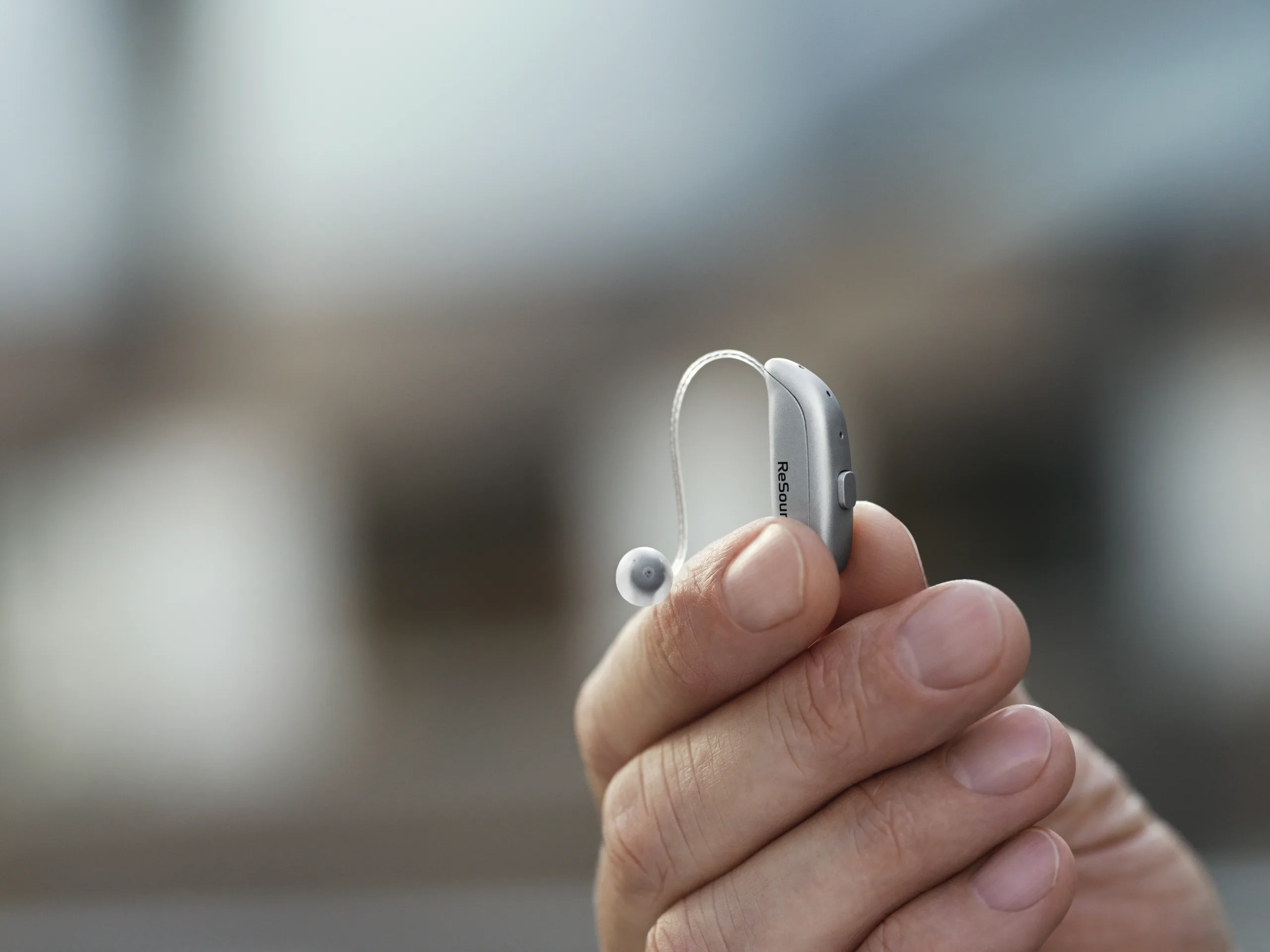
In the context of driving, the key word is not just “hearing”, but correctly recognizing signals in the dynamic noise of the road. That is why ReSound hearing aids are not accessories or “amplifiers”, but medical products that are selected and programmed for your hearing. From the practical experience of deaf doctors, it is a confirmed fact: when hearing is compensated, the so-called listening effort decreases – the brain “thinks” of sounds less and more resources remain for concentration on the road environment. Intelligent noise reduction and environment adaptation functions are particularly useful for drivers. And Bluetooth connectivity in ReSound hearing aids can be a bonus for calls and navigation, but only if the settings are optimal and the driver is disciplined (more on that below).
Tip 3. Set up a separate “road” scenario and check your hearing regularly
Hearing changes gradually – this is a fact. In addition, the driving conditions themselves (tire noise, wind, climate control operation, vibration) may require separate settings. Ask an audiologist, a hearing aid technician at the Medicenter to adjust the programs in your hearing aids so that it is easier for you to distinguish important external signals from background noise. And don’t forget about follow-up: hearing care professionals often recommend getting your hearing checked at least every year after age 50, and with hearing aids, coming in for additional adjustments when your hearing or lifestyle changes (new car, more trips, new cities, onset of tinnitus, etc.).
Tip 4. Control the power supply: batteries, charging, “plan B” in the car
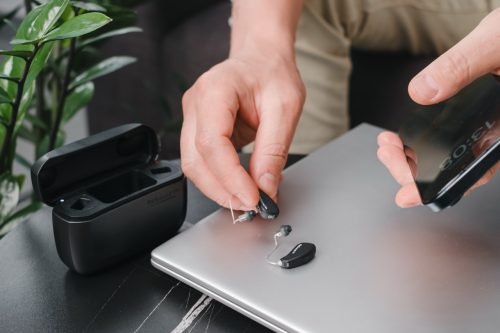
The worst moment is when the hearing aid discharges not at home, but on the road, at a difficult intersection or on the highway. If the model of the device uses batteries, keep a supply of batteries in the glove compartment. If it is battery-powered, you should make it a habit to charge it every night, have a cable or a charger in the car. And it is very important: if you heard a signal about a low charge in the device – do not try to change something on the fly. First, a safe stop, then replacing the battery in the device or recharging. It is as basic discipline as wearing a seat belt.
Tip 5. Reduce the noise in the cabin and do not overload yourself with sound
Loud music, “background” radio, open windows, maximum ventilation – all this takes your attention, even if it seems that you are used to it. Before the trip, adjust the radio and navigation, make the volume comfortable but quiet. If you often drive on the highway, closed windows really help (less wind noise, more stable acoustics for hearing aids). A small life hack that drivers often underestimate: when there is less chaos in the cabin, it is easier to “catch” an external signal even with reduced hearing.
Tip 6. The phone and conversations, even with hands-free — are a risk, not a “convenience”
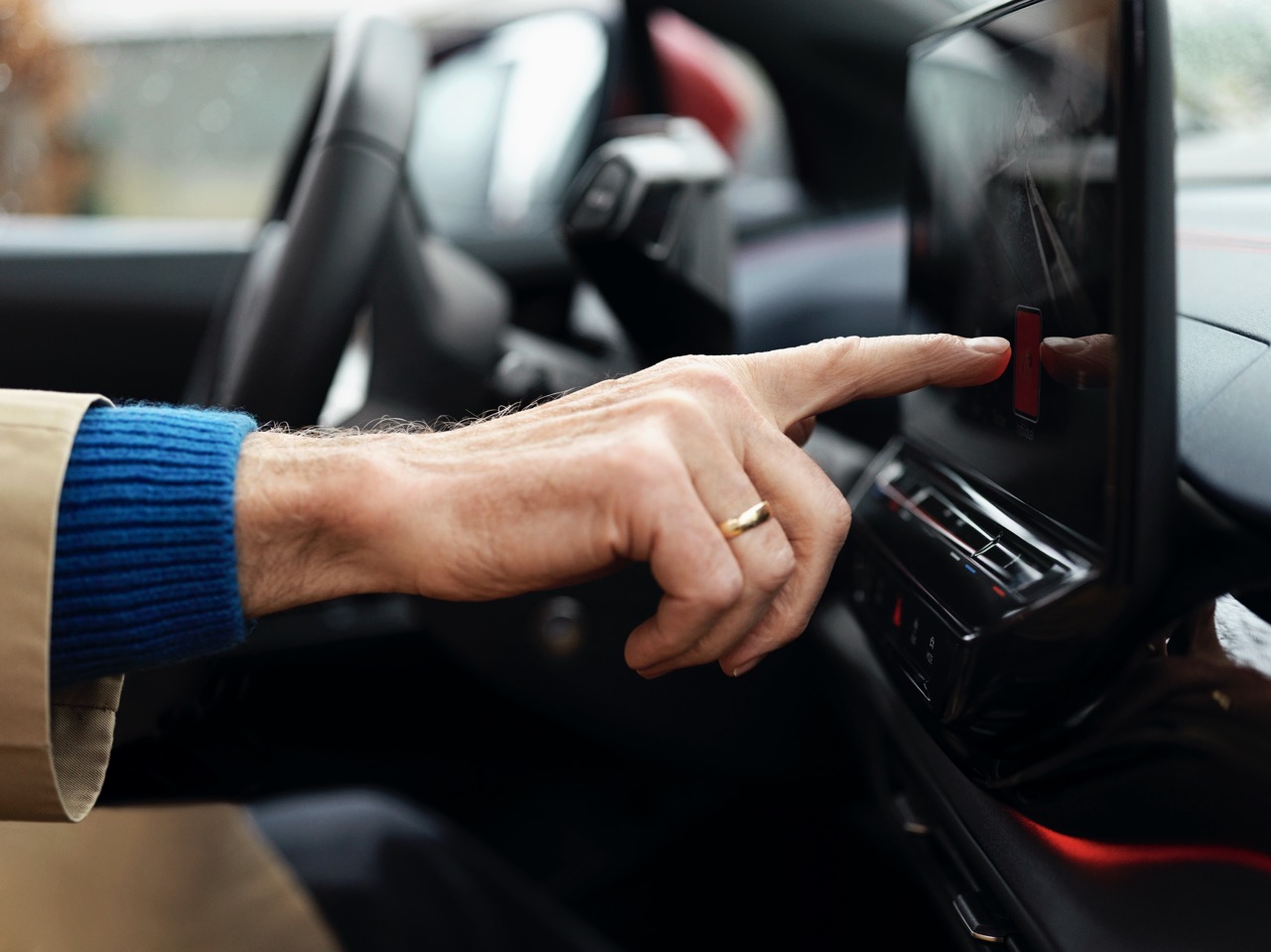
Modern cars with CarPlay or Android Auto, voice assistants and headsets create the illusion that “everything is under control”. But it is still cognitively distracting: the brain switches between the road and the conversation. Therefore, the rule is simple: the message is only after stopping; calls – only in exceptional situations and briefly; conversations with passengers are dosed, without emotional discussions and in the style: “Show me what’s on the phone.” If you need to clarify something – drove off, stopped, decided, drove on. It sounds too straightforward, but that’s how safe driving works.
Tip 7. Strengthen visual control and use modern driver assistance systems
If your hearing is impaired, bet on a “smart” visual strategy: look in the mirrors more often, keep a greater distance, avoid sharp maneuvers, plan the route so that there are fewer difficult intersections at peak times. Blind spot monitoring systems, parking sensors, cameras, collision warning can be useful, but not as a substitute for attention, but as additional insurance. If you have tinnitus, talk to your audiologist about setting up a tinnitus masker or additional noise reduction program in your ReSound hearing aids: sometimes it’s the intrusive internal noise that exhausts a driver more than traffic.
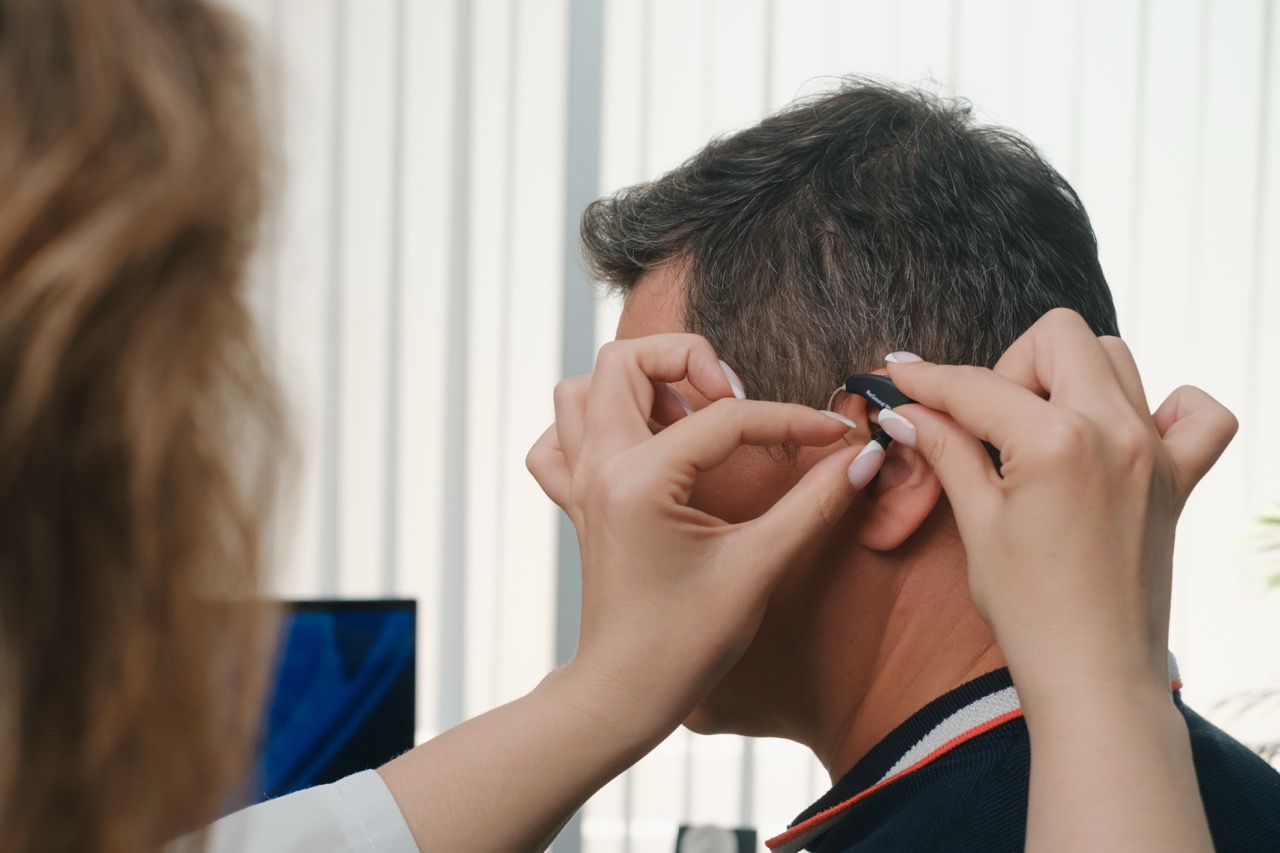
When should you go to the Medicenter for an audiologist and an otolaryngologist
If you catch yourself thinking “I seem to hear and understand everything, but something is missing”, if you start straining more often at the wheel, hear poorly in noise, get tired quickly – this is a signal for a hearing diagnosis. At the Medicenter in Kyiv, you can undergo a comprehensive hearing examination, get a consultation from an otolaryngologist and audiologist, and choose ReSound hearing aids with programming for your real life needs, in particular for driving a car. And then driving with a hearing impairment ceases to be a constant stress and returns to a normal manageable business.