
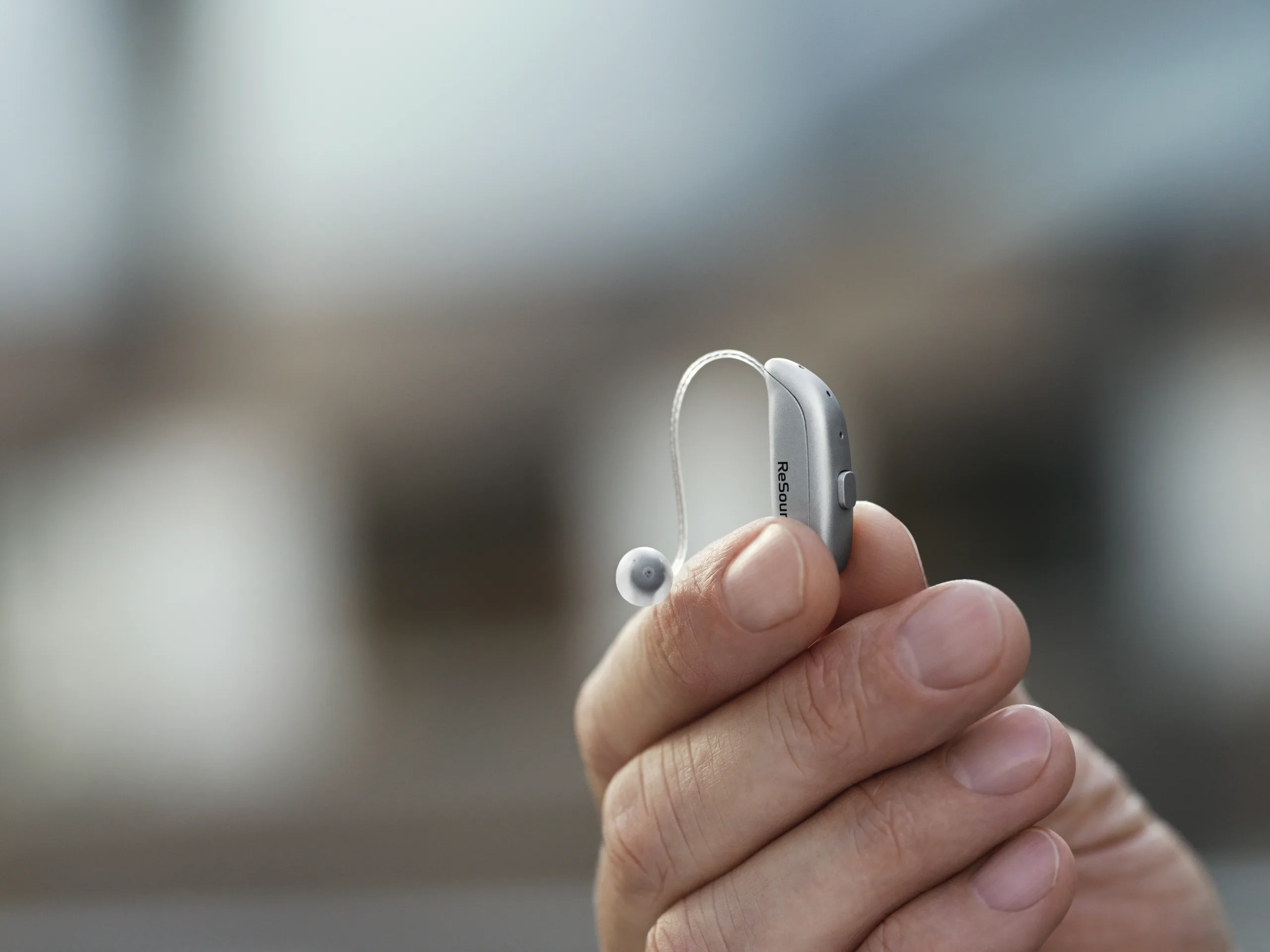
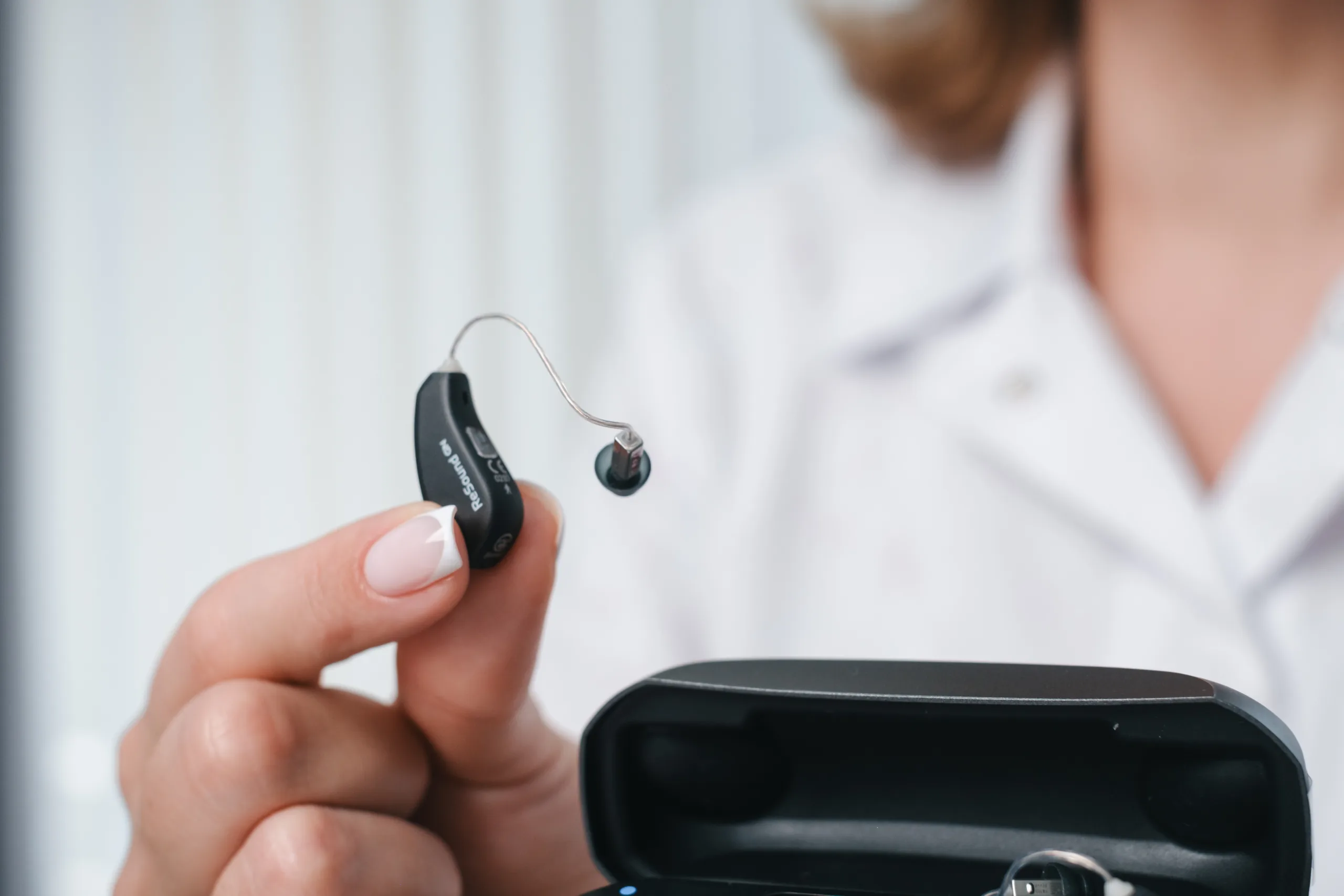
Hearing problems are a common phenomenon that can occur both as a result of age-related changes and due to injuries or illnesses. The question of how to correctly choose a hearing aid is very important, because a hearing aid is not just a gadget for sound amplification, but a complex medical device that is individually adjusted for each patient. For example, modern ReSound hearing aids are certified in Ukraine as medical devices approved for use in medical practice. If you do not approach the choice properly, for example, buy a hearing aid over the Internet and without a hearing test, it may turn out to be ineffective and will not help to solve the hearing problem. Next, we will consider typical mistakes when choosing a hearing aid and the correct selection algorithm that will ensure comfort and results.
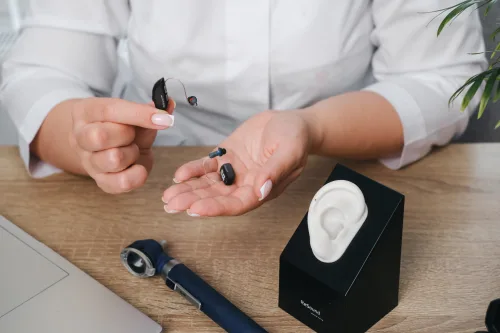
Why you should not buy a hearing aid online or without a consultation
Many are attracted by the idea of ordering a hearing aid online or buying a cheap hearing amplifier without visiting a doctor. However, this path is risky. First, without a professional hearing diagnosis, it is impossible to adjust the device correctly. Each person has a unique audiogram, the so-called “curve” of hearing loss. Without an audiogram, it is very easy to amplify the sound too much or, on the contrary, not amplify it enough, which leads to discomfort: rapid fatigue from the sound, headaches, whistling (feedback) and still poor speech intelligibility. Second, so-called hearing amplifiers (cheap devices that are freely sold online under the name “hearing aid”) cannot replace a real hearing aid. Amplifiers simply increase the volume of all sounds in a row, regardless of their frequency or level. Instead, a medical hearing aid processes sounds selectively – it amplifies exactly the frequencies that the user needs and muffles unwanted noise. Deaf doctors and audiologists around the world warn: using a hearing amplifier (this harmful device is often mistaken for a “hearing aid” on the Internet) does not solve the problem, moreover, it can harm residual hearing and lead to greater hearing loss. Without proper compensation for hearing impairment, namely the use of a correctly selected medical product – a certified hearing aid in a clinic, hearing may deteriorate in the future, and precious time will be lost.
An example of a situation. A 72-year-old patient noticed that he had become very hard of hearing, but instead of going to the doctor, he decided to save money and ordered a hearing amplifier, a so-called “hearing aid” advertised on the Internet. He chose the device without an audiogram and individual adjustment for audiometry, focusing only on promising advertising and “feedback” on the network. As a result of using such a device, the man felt only irritation and swelling in the ear, loud noise and whistling in the ears without improving the intelligibility of speech, because the device amplified all sounds, without taking into account the specifics of his hearing loss. Only after a consultation with a hearing specialist and conducting audiometry did it become clear that the patient has 3rd degree hearing loss and high-frequency hearing loss. He was fitted with a certified hearing aid, adjusted to his needs – and within a few days of use, he noted a significant improvement in speech intelligibility. This story demonstrates that it is impossible to correctly choose a hearing aid without a patient and without an examination. Only a specialist can determine exactly which hearing solution is needed and adjust it correctly.

How is the professional selection of a hearing aid
The only correct way to choose a hearing aid is to contact a hearing specialist, a hearing aid specialist, who will conduct all necessary hearing examinations. Modern audiological equipment allows you to accurately determine the nature and degree of hearing impairment, which is extremely important for selecting the optimal device. Professional selection of a hearing aid is carried out in several stages:
- Consultation of an audiologist. The doctor collects a detailed history: he finds out the complaints, the age of the problem, concomitant diseases of the ear. The condition of the auditory canal and auricle is also checked (presence of inflammation and sulfur plug, etc.).
2. Comprehensive diagnosis of hearing. Audiometry (hearing test at different frequencies to make an audiogram) and impedance or tympanometry (assessment of the condition of the middle ear) are performed. This allows you to accurately determine the degree and type of hearing loss.
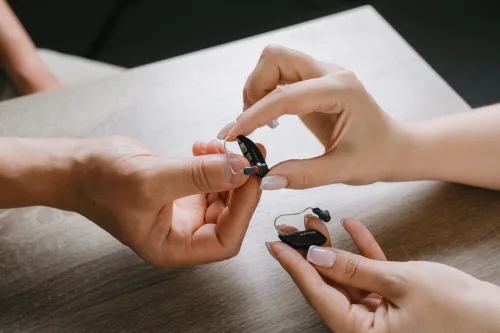
3. Selection of a hearing aid model. Based on the examination data, the doctor selects the optimal hearing aid that is suitable for this patient. Not only the audiogram is taken into account, but also the specifics of a person’s lifestyle and needs. For example, an active person who communicates a lot can be offered a modern digital device with advanced functionality and a connection to a smartphone, while an elderly person who rarely leaves the house will find a simpler model with basic functions.
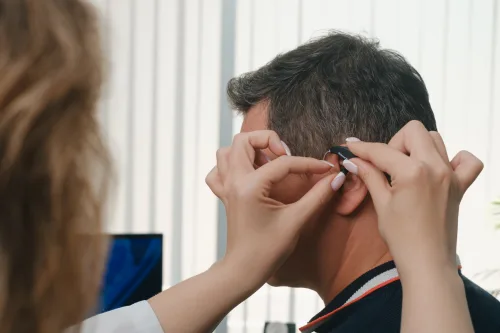
4. Programming and testing the device. The audiologist individually adjusts the selected device to the patient’s audiogram – with the help of computer programs, the necessary amplification is set at different frequencies. After adjustment, a fitting is performed: the patient tests the device in the presence of a specialist, the comfort of the sound and the intelligibility of speech and speech are checked. If necessary, corrections are made immediately. The doctor also teaches the patient how to use the device: how to put it on correctly, change the batteries or charge it, care for and store it.
It is worth noting that after the initial adjustment, a period of adaptation to the hearing aid is required (usually for each patient individually: from one day or, on the contrary, several weeks). At this time, the brain can gradually “get used” to new sounds, especially if the hearing impairment is old and the patient has not used hearing aids before. Qualified audiologists and hearing prosthetists, based on the results of the examination, program the device as accurately as possible for your needs and help you go through the adaptation period quickly and comfortably. After 1-2 weeks, a control check is usually carried out: the specialist evaluates how well the patient hears with the device and, if necessary, additionally adjusts the settings.
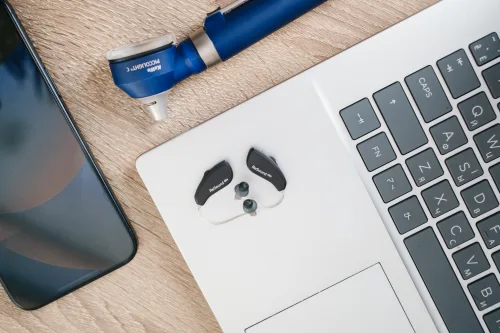
Advantages of selecting the device in a specialized center
To get a truly high-quality solution to your hearing problem, choose a hearing aid at a specialized hearing care center. For example, the Medicenter in Kyiv is a clinic with experienced audiologists and hearing prosthetists and is a medical partner of ReSound in Ukraine. By contacting such a center, the patient receives a whole range of services:
- Certified hearing aids with warranty. You will be sure that you have purchased an official hearing aid approved for use in medical practice. Medical products from the well-known ReSound brand have all the necessary certificates and a quality guarantee. At the Medicenter, in particular, hearing aids are covered by a 12-month warranty, and the service center provides maintenance of the devices during the entire period of operation. If something happens to the device or needs repair/cleaning, the center’s specialists will help solve the problem. This is an important advantage compared to buying a device of unknown origin over the Internet, where there is no user support and service.
- Professional support of a hearing aid technician. After purchasing the device, the center’s specialists continue to guide the patient. If necessary, they will conduct a repeat hearing examination in dynamics and readjust the device (for example, if the hearing changes after a few years, or the user has new needs). Also, at the center you can always get advice on how to use a hearing aid, order consumables (batteries, filters, drying capsules, etc.) and even receive training to use your new hearing aid as efficiently as possible. Such a personalized approach significantly increases the success rate of hearing rehabilitation.
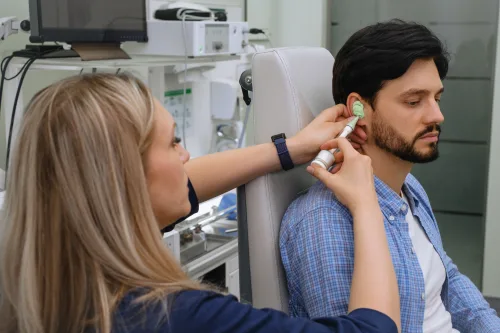
- Individual tabs and comfort. If necessary, a specialized clinic will make individual ear tips for your hearing aid. To do this, the doctor removes a mold of the external auditory canal, after which a tab is made in the otoplasty laboratory, which perfectly replicates the anatomical features of your ear. The use of individual tabs ensures comfortable wearing and stable sound quality without feedback (whistling). This is especially relevant for in-ear models and powerful behind-the-ear devices, where the exact fit of the tab ensures tightness and prevents the appearance of an acoustic effect (whistling).
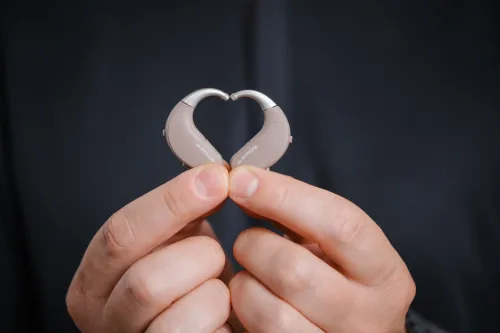
Conclusion: Hearing aids are not just sound amplifiers, but high-tech devices to compensate for hearing loss. Successful use depends on accurate diagnosis and correct individual selection and adjustment. Do not try to choose a hearing solution yourself or in absentia – this approach can harm your hearing. Instead, contact a specialized clinic, where a hearing specialist, an otolaryngologist will conduct a comprehensive hearing diagnosis and select the optimal solution. A properly selected and adjusted hearing aid will give you the opportunity to hear and communicate well, improve your quality of life and preserve your hearing for many years. Entrust your health to specialists – and the result may meet your expectations!